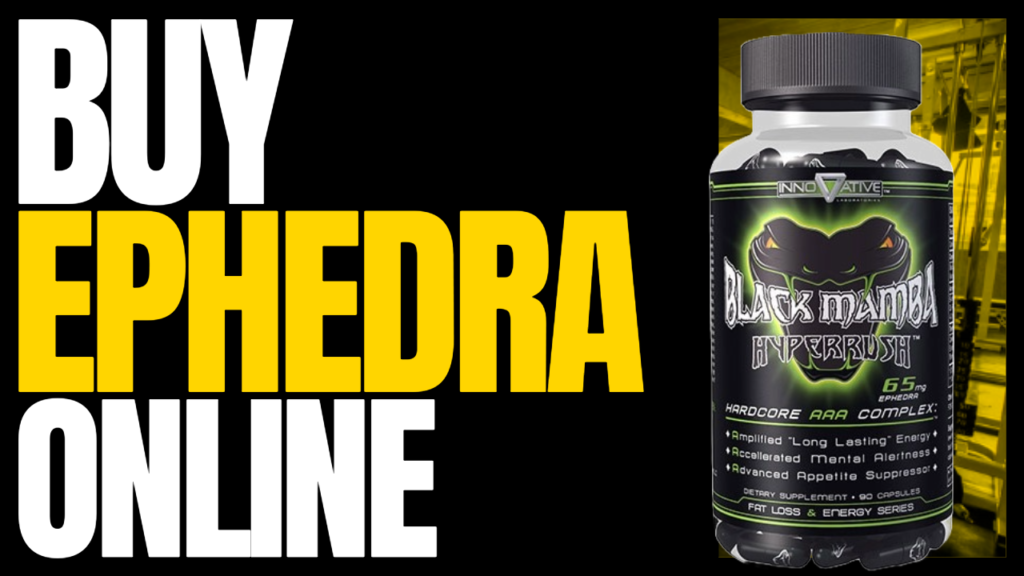
Ephedra sparks more debate than almost any other herb in sports nutrition. Some forms remain banned and other products are completely legal. Buyers often face conflicting claims, unclear labels, and confusing regulatory language.
Racer Ephedra studies clinical trials, FDA rulings, and phytochemical data and separates myth from measurable fact. We translate regulatory science into clear explanations so you can make informed, safe decisions.
In this guide, you’ll learn why the FDA banned some ephedra products, what makes today’s legal extracts different, and how to read ingredient panels. Furthermore, see which species qualify as compliant dietary supplements and how to verify product authenticity. Altogether, the latest research gives you with the confidence to make informed decisions on the right products.
Transparency Note: We sell several legal ephedra extracts discussed here. Our goal is to educate first. Next, we show you how these products work, what ingredients they contain, and how to confirm they meet federal standards before buying.
Bryan Thomas specializes in supplement formulation and ingredient analysis. He focuses on stimulant-based products and regulatory compliance. His work helps consumers understand what’s in hardcore and misunderstood products and how those formulations differ from banned compounds.
Reviewed by: Bryan Thomas, M.S. in Exercise & Sports Science
Ephedra is not legal if the dietary supplement contain ephedrine alkaloids. In 2004, the FDA banned these compounds in supplements after determining they posed an unreasonable risk of serious health effects. However, some forms are still legally sold.
What ephedra is banned?
Ephedrine alkaloids in dietary supplements
Are there legal ephedra products?
Ephedra plant material without ephedrine alkaloids often labeled as “ephedra extract” or “ephedra herbs”
Herbal forms like Mormon tea (Ephedra species naturally low or absent of alkaloids)
What does this means for ephedra buyers?
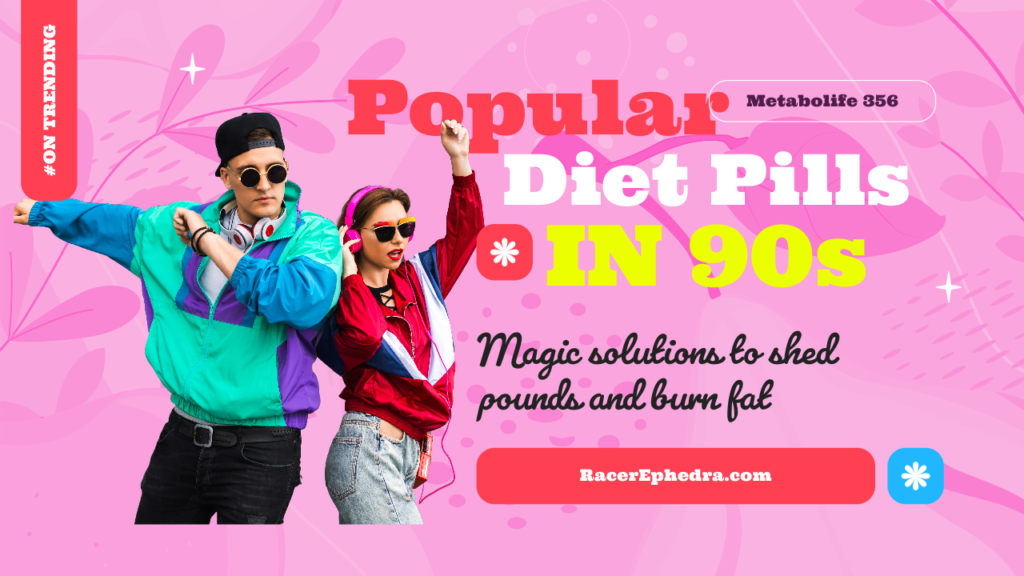
Many products marketed as “legal ephedra” are formulated without ephedrine alkaloids. The stimulant compound popular in the 90s are banned.
“Most people assume anything labeled ‘ephedra’ contains the same active compounds that were banned, but that’s not how the market works today. What’s legally sold is usually very different from the original formulations, so understanding what’s actually in the product matters more than the name on the label.” – Bryan Thomas, Masters in Exercise and Sports Science, Product Specialist at Racer Ephedra
Type
Legal Status
Notes
Ephedrine alkaloids
Banned in supplements
Regulated and safety risks
Ephedra extract
Legal in all 50 States
Meet labeling standards
Mormon tea
Generally legal
Low/no alkaloids
What Ephedra Is and Why the FDA Banned It?
Ephedra is a desert plant used for centuries in Chinese medicine. Under the name Ma Huang, it naturally produces alkaloids such as ephedrine and pseudoephedrine. These stimulants affect heart rate, blood pressure, and metabolism.
Because of these effects, early diet pills often concentrated ephedrine alkaloids to high levels. In 2004, the U.S. Food and Drug Administration (FDA) banned ephedrine-alkaloid supplements. Basically, the ban targeted alkaloid concentration, not the plant itself.
The FDA’s ruling declares products containing ephedrine alkaloids as “adulterated dietary supplements.” This classification applies to concentrated extracts. Therefore, the ban doesn’t apply to botanical forms of the plant that contain no measurable alkaloids. Legal ephedra supplements today derive from non-alkaloid species such as Ephedra nevadensis, Ephedra viridis, and Ephedra distachya.
Natural Legal Extracts
“Legal ephedra extracts use species that do not contain ephedrine alkaloids. These natural extracts remain legal under the Dietary Supplement Health and Education Act (DSHEA) when labeled accurately and used responsibly.” – Bryan Thomas, Masters in Exercise and Sports Science, Product Specialist at Racer Ephedra
Discover the legal difference with Racer Ephedra’s extract diet pills. The legal ephedra products use ephedra nevadensis, viridis, and sinica.
What Makes Modern Ephedra Extracts Legal?
Modern ephedra formulations use plant material without the stimulant alkaloids banned by the FDA. Manufacturers select species such as Ephedra nevadensis or Ephedra viridis that are naturally low in these compounds. The resulting extracts provide the herb’s thermogenic and botanical benefits without containing ephedrine.
A compliant ephedra supplement clearly lists:
The species name (e.g., Ephedra nevadensis)
The part used (stem or leaf)
The absence of ephedrine alkaloids
The total extract concentration (e.g., 25 mg of extract, not 25 mg of alkaloids)
Reputable companies also include Certificates of Analysis (COAs) from ISO-accredited labs verifying alkaloid absence. Racer Ephedra publishes these results on all available products.
Consumer Protection Tip
“Before buying, confirm the product label includes both the botanical species and testing method. Avoid brands that list “ephedra extract” without species detail or third-party testing information.” – Bryan Thomas, Masters in Exercise and Sports Science, Product Specialist at Racer Ephedra
The next step is knowing what’s being sold online. Learn how to tell the difference between ephedra supplements.
What are Safety, Research, and Clinical Findings for Ephedra?
Key Clinical Findings
A 2003 JAMA ephedrine study reported about 0.9 kg of short-term monthly weight loss.
Found no evidence of sustained long-term results, although noted an increased risk of adverse reactions when combined with caffeine.
International Journal of Obesity 2006: the research showed using low-dose ephedra/ caffeine and and vitamins improved metabolic markers in obese women. The researchers added they found no major adverse effects.
Compliance Summary
Legal ephedra products may reference studies for educational purposes but must not claim to “treat,” “prevent,” or “cure” disease.
All efficacy statements must specify whether the cited research used alkaloid or non-alkaloid forms.
Safety language should appear before any product listing.
Clinical Ephedra Research References
Hackman, R., Havel, P., Schwartz, H. et al. Multinutrient supplement containing ephedra and caffeine causes weight loss and improves metabolic risk factors in obese women: a randomized controlled trial. Int J Obes30, 1545–1556 (2006). https://doi.org/10.1038/sj.ijo.0803283
Greenway, F.L., de Jonge, L., Blanchard, D., Frisard, M. and Smith, S.R. (2004), Effect of a Dietary Herbal Supplement Containing Caffeine and Ephedra on Weight, Metabolic Rate, and Body Composition†. Obesity Research, 12: 1152-1157. https://doi.org/10.1038/oby.2004.144
Brian T Schaneberg, Sara Crockett, Erdal Bedir, Ikhlas A Khan, The role of chemical fingerprinting: application to Ephedra, Phytochemistry, Volume 62, Issue 6, 2003, Pages 911-918, ISSN 0031-9422, https://doi.org/10.1016/S0031-9422(02)00716-1
To understand current regulations, it helps to look at how ephedra diet pills were used in the 1990s. Learn what led to increased scrutiny and the eventual bans.
When evaluating any ephedra-based product, check three core details:
Species identification – The label should name the species, not just “Ephedra Extract.”
Part used and extraction ratio – Stems, leaves, or aerial parts; for example, “10:1 extract.”
Declared absence of ephedrine alkaloids – Typically noted as “Ephedrine Alkaloid-Free.”
Avoid products that lack these details. Transparency is the first sign of legitimacy.
Racer Ephedra audits all partner products for proper labeling and documentation. Every supplement listed on our site includes ingredient panels and batch-specific test data.
The legal issues with ephedra today is directly tied to what happened in the early 2000s. Understanding why it was banned helps explain what’s still allowed.
Products labeled as “ephedra” today vary widely in how they are formulated. Particularly, many supplements differ in extract dosage and stimulant combinations. No legal product contains ephedrine alkaloids. Instead rely on other ingredients that include caffeine and other natural herbs.
25 mg Extract Formulas
Lower-dose formulations are often used in products marketed toward individuals seeking milder stimulants.
50 mg Extract Formulas
Mid-range formulations are commonly positioned as a balance between lower and higher stimulant profiles. These products often combine moderate caffeine levels.
100–200 mg Extract Formulas
Higher-dose formulations are typically found in products marketed toward more experienced users. The total stimulant load can vary significantly depending on the full ingredient profile.
“One of the biggest misconceptions is that the extract amount alone tells you how strong a product is. In reality, the total formulation including caffeine and other stimulants play a much bigger role in how it actually feels.” — Bryan Thomas, M.S. in Exercise & Sports Science
Why Ephedra Supplement Testing and Quality Control Matter?
The top brands uses High-Performance Liquid Chromatography with Photodiode Array (HPLC-PDA) to authenticate each sample. This method distinguishes between Eurasian and North American ephedra species. Therefore, each compound can identify the presence or absence of specific alkaloids.
Only verified ephedra species such as Ephedra nevadensis or Ephedra viridis appear in legal product listings.
Quality Checklist
Third-party COA confirming “No Detectable Ephedrine Alkaloids.”
Ingredient from U.S.-compliant manufacturers.
How to Make an Informed Choice About Ephedra Products?
The real choice is picking from reputable brands. Today’s ephedra products contain legal herbs. With many effective choices, manufacturers don’t take the risk of making ephedrine alkaloid products.
In a category shaped by past safety concerns clarity matters. Looking for verified species and transparent labeling can help you better understand how products are formulated.
Racer Ephedra continually looks to share the latest information and research on ephedra products.
References
Jeremy Y Ng, Amn Marwaha, Muhammad Ans, The quality of information available about Ephedra sinica on online vendor websites: The Canadian consumer experience, Complementary Therapies in Medicine, Volume 57, 2021, 102674, ISSN 0965-2299, https://doi.org/10.1016/j.ctim.2021.102674
Abourashed, E.A., El-Alfy, A.T., Khan, I.A. and Walker, L. (2003), Ephedra in perspective – a current review. Phytother. Res., 17: 703-712. https://doi.org/10.1002/ptr.1337
Shekelle PG, Hardy ML, Morton SC, et al. Efficacy and Safety of Ephedra and Ephedrine for Weight Loss and Athletic Performance: A Meta-analysis. JAMA. 2003;289(12):1537–1545. doi:10.1001/jama.289.12.1537
About Bryan Thomas, M.S. in Exercise & Sports Science
Bryan Thomas has over 20 years of experience in the supplement industry. He specializes in stimulant-based formulations and ingredient analysis. He has led sold-out “Master Your Metabolism” seminars across the country. Basically, he helps simplify complex topics like metabolism, fat loss, and supplementation for everyday consumers.
Bryan also developed and led one of the most successful group personal training programs focused on integrating nutrition, exercise, and recovery. His work today focuses on helping consumers understand the differences between supplement ingredients and evolving regulations.
LinkedIn Profile